


Ancient Coin Denominations — Simple Guide for Beginners
(Roman & Greek Coins Explained in Plain English)
Ancient coins often come with unfamiliar terms like AE3, Denarius, or Tetradrachm. These names are modern classification tools used by collectors and scholars today. Ancient people themselves did not shop using these labels the way we do now.
Here’s what they mean — simply.
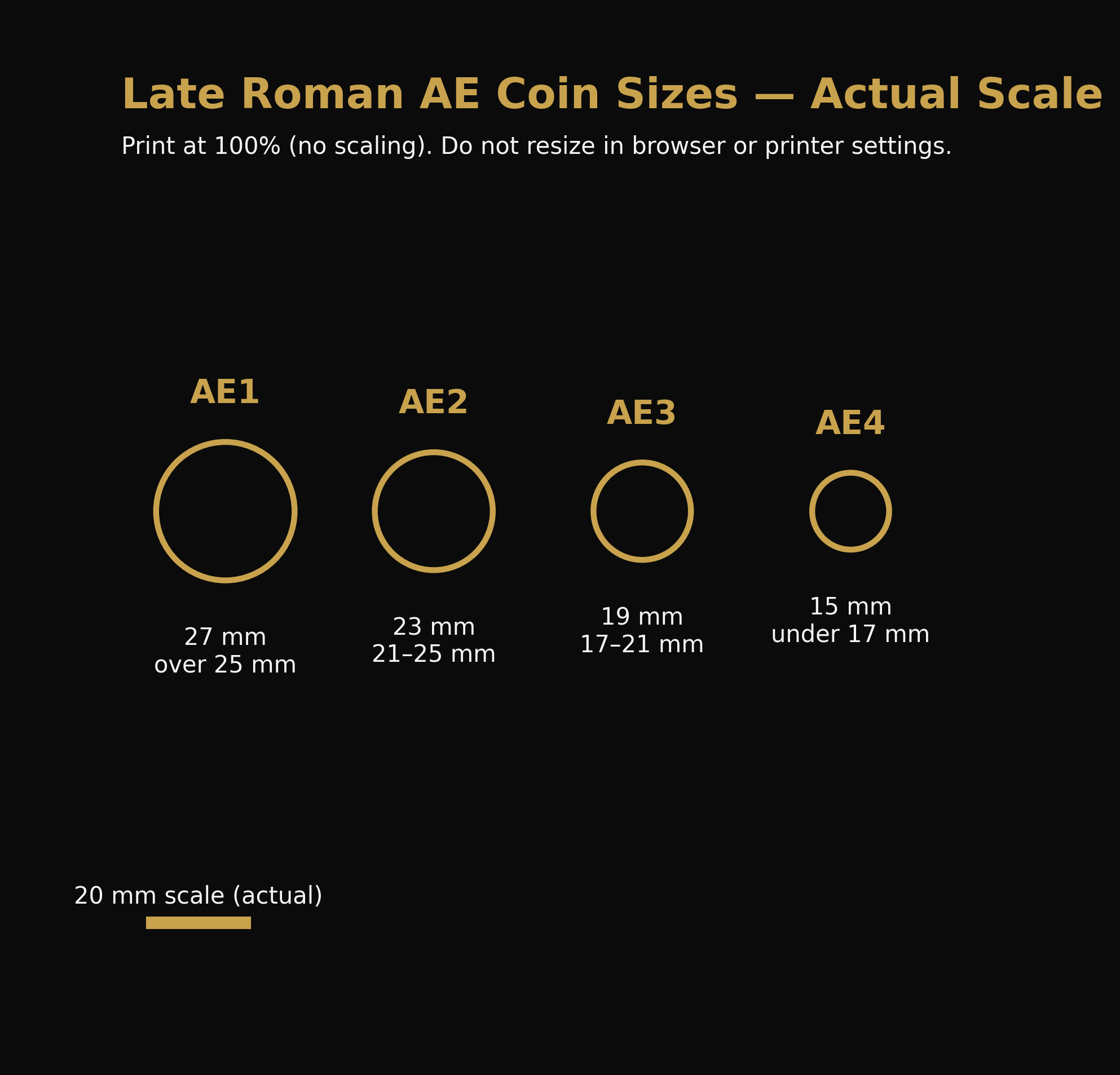
Roman Bronze Coins (AE1–AE4)
AE comes from the Latin aes, meaning bronze.
The numbers 1–4 describe size only, not value.
AE1 – Large bronze coin
Thick, impressive late Roman coins. Less common.AE2 – Medium-large bronze coin
Popular Constantinian and Late Roman issues.AE3 – Medium bronze coin
One of the most common ancient Roman coins.
Excellent for beginners.AE4 – Small bronze coin
Late Roman issues. Smaller but fully authentic.
Important:
AE numbers are modern size categories, not ancient denominations.
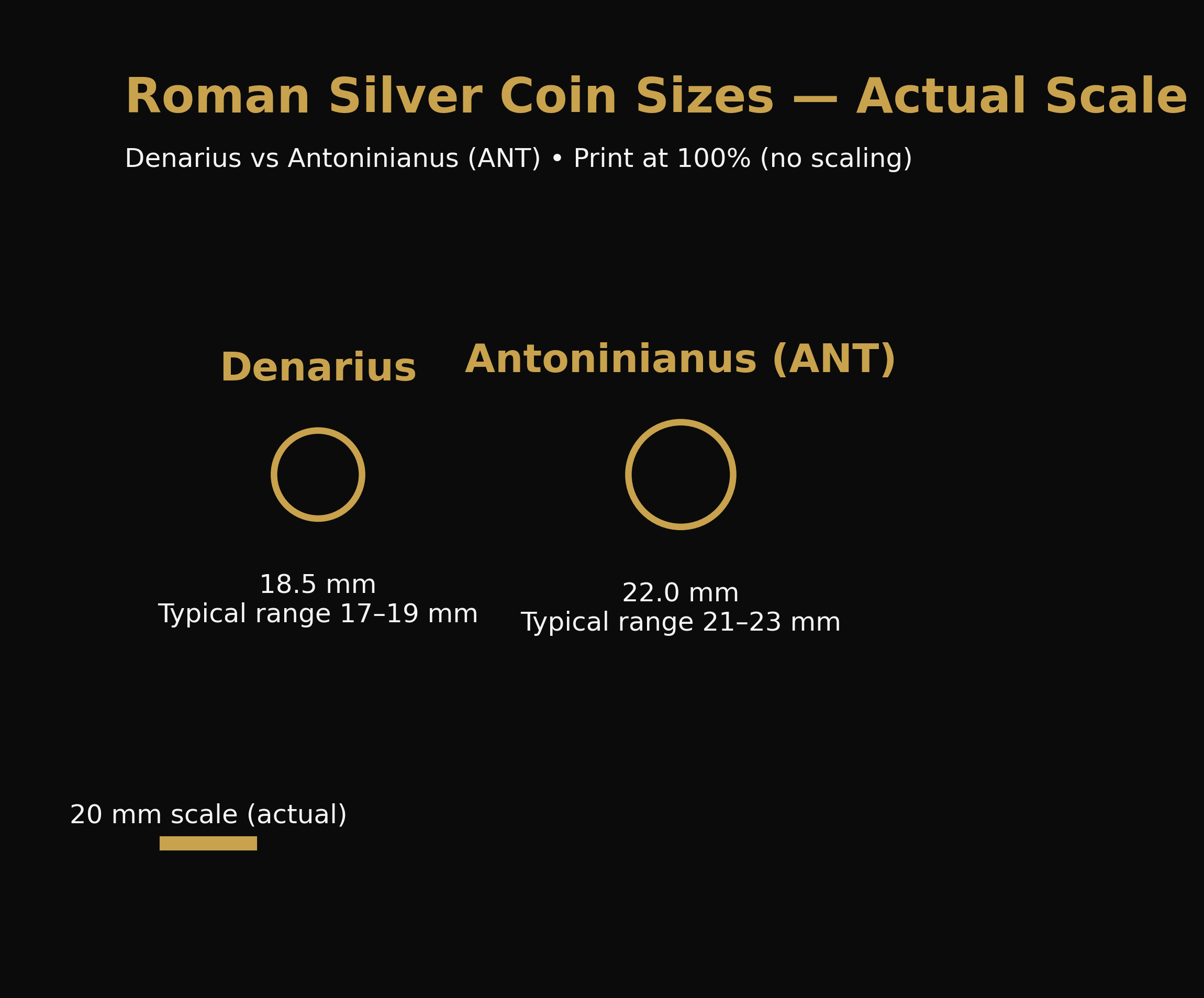
Denarius
The most famous Roman silver coin.
Used for everyday transactions for centuries.
When people imagine a “Roman silver coin,” this is usually it.Antoninianus
Introduced in the 3rd century AD.
Originally silver, later silver-alloy or bronze.
Often shows the emperor wearing a radiate crown.
You may see ANT used as shorthand.
This is a catalog abbreviation, not an ancient name.
Roman Silver Coins
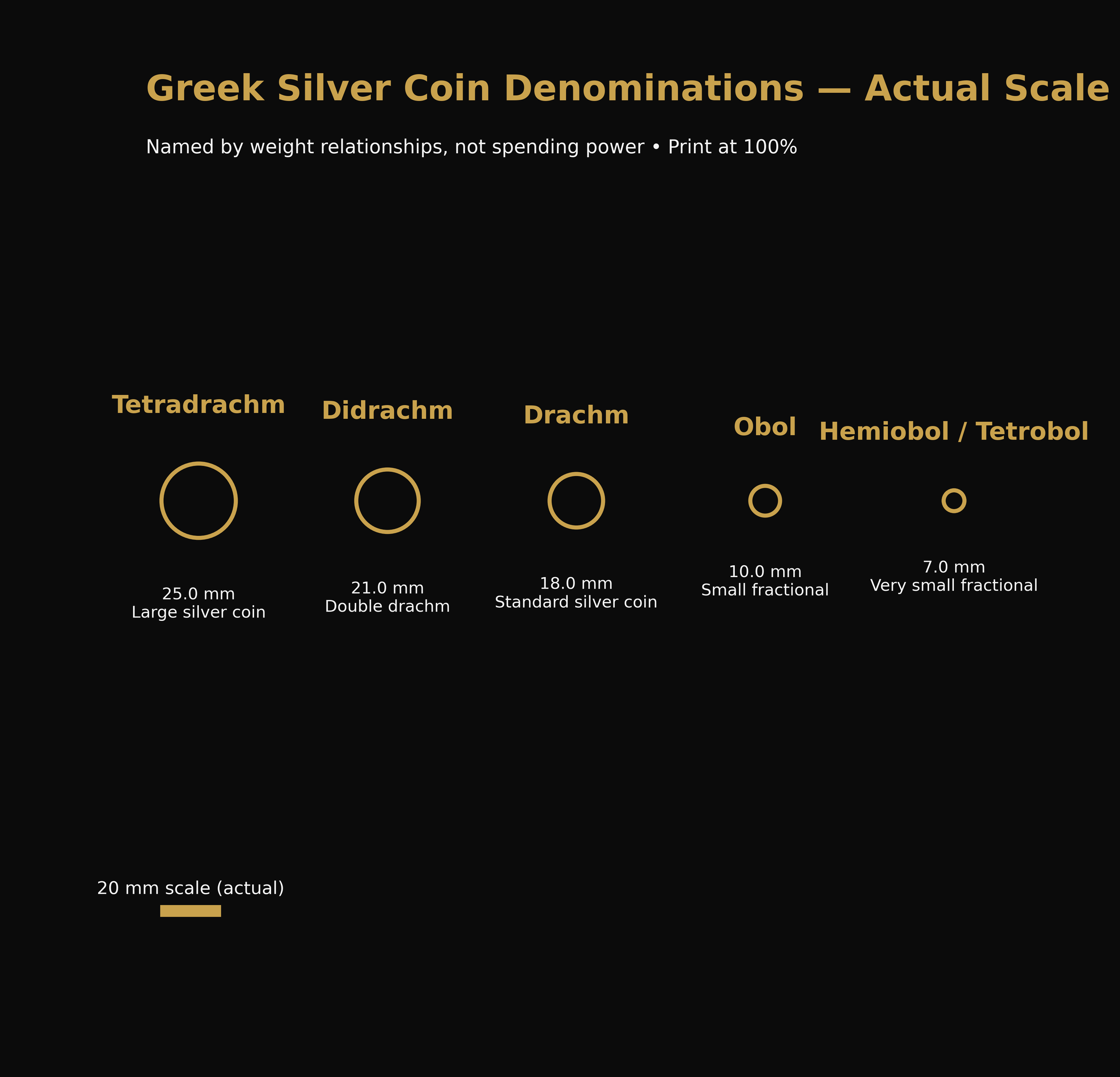
Greek Silver Coin Denominations
(Based on Weight, Not “Face Value”)
Greek coins are named by weight, not by purchasing power.
Tetradrachm – Large silver coin
The most famous Greek silver coin.
Heavy, impressive, and widely used in trade.Drachm – Medium silver coin
Standard everyday silver coin in many Greek regions.Didrachm – Double drachm
Larger than a drachm, smaller than a tetradrachm.Obol – Small silver coin
Fractional coin used for smaller transactions.Hemiobol / Tetrobol
Very small fractional silver coins.
These names describe weight relationships, not spending power.
Why You Won’t See These Terms in Our Titles
At Kinzer Coins, we prioritize clarity and trust.
You’ll see titles like:
Ancient Roman Bronze Coin of Emperor Constantine I
Ancient Greek Silver Coin from Athens
Instead of:
AE3 Reduced Follis
AR Tetradrachm
ANT Rome Mint
All technical details — AE size, denomination, metal, and weight — are clearly listed in the Specifications section.
The Most Important Thing to Remember
Every ancient coin we offer is:
Authentic
Individually unique
Historically significant
A real object from the ancient world
You don’t need to understand every denomination to start collecting.
You’re not buying a label.
You’re holding history.