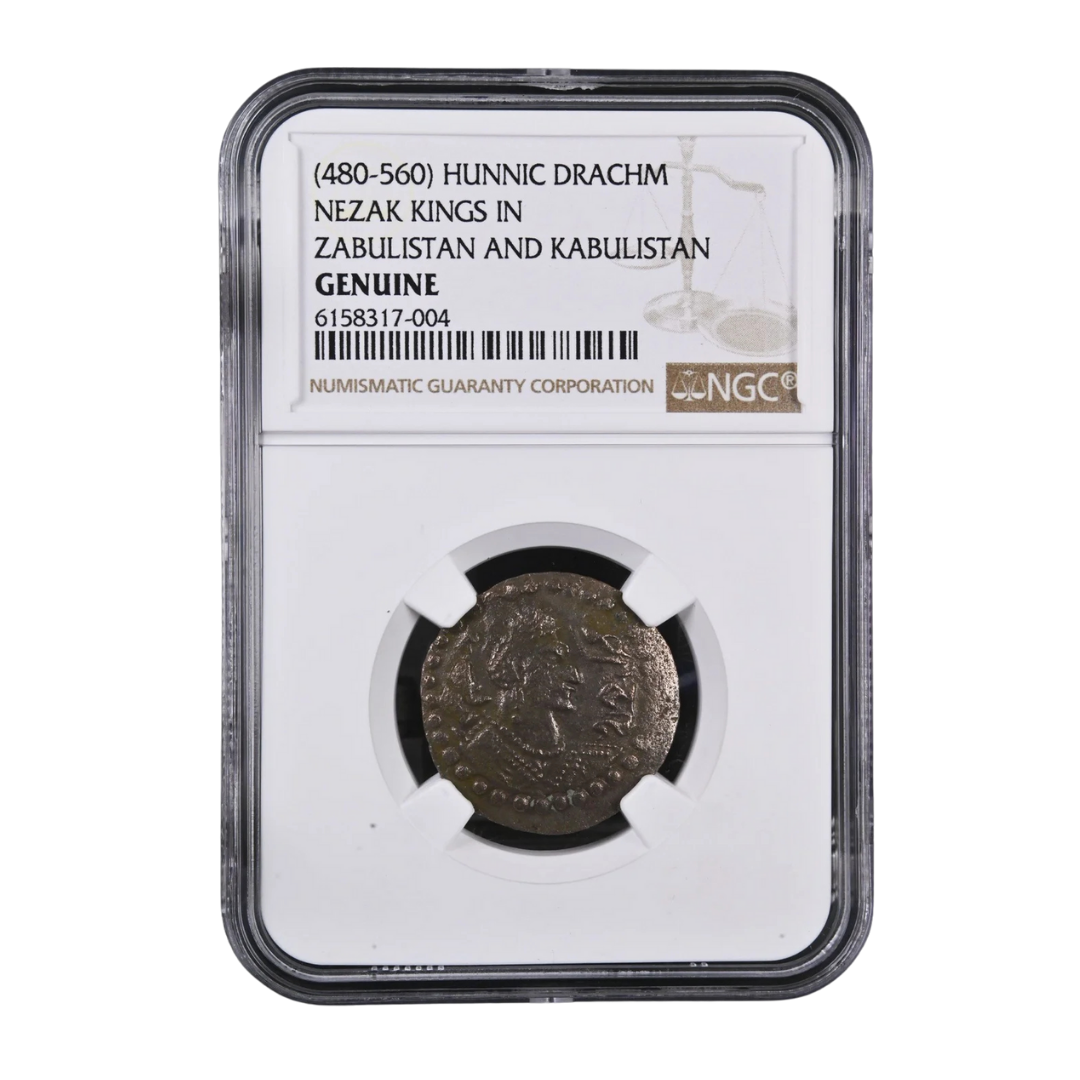
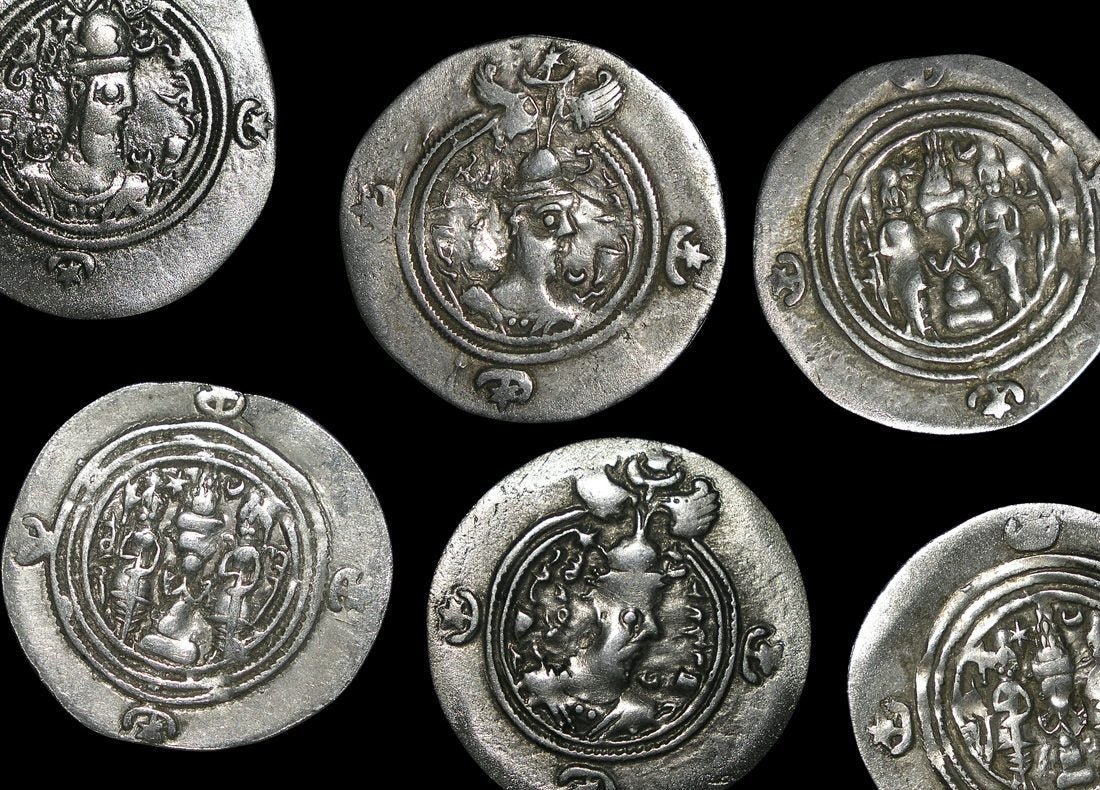
Shapur II Sasanian Silver Drachm (AD 309-379) — Longest Reigning Persian King
NGC certified silver drachm of Shapur II — ruled 70 years from womb to grave, crushed 3 Roman emperors during Sasanian golden age.
Zoroastrian Imperial Design
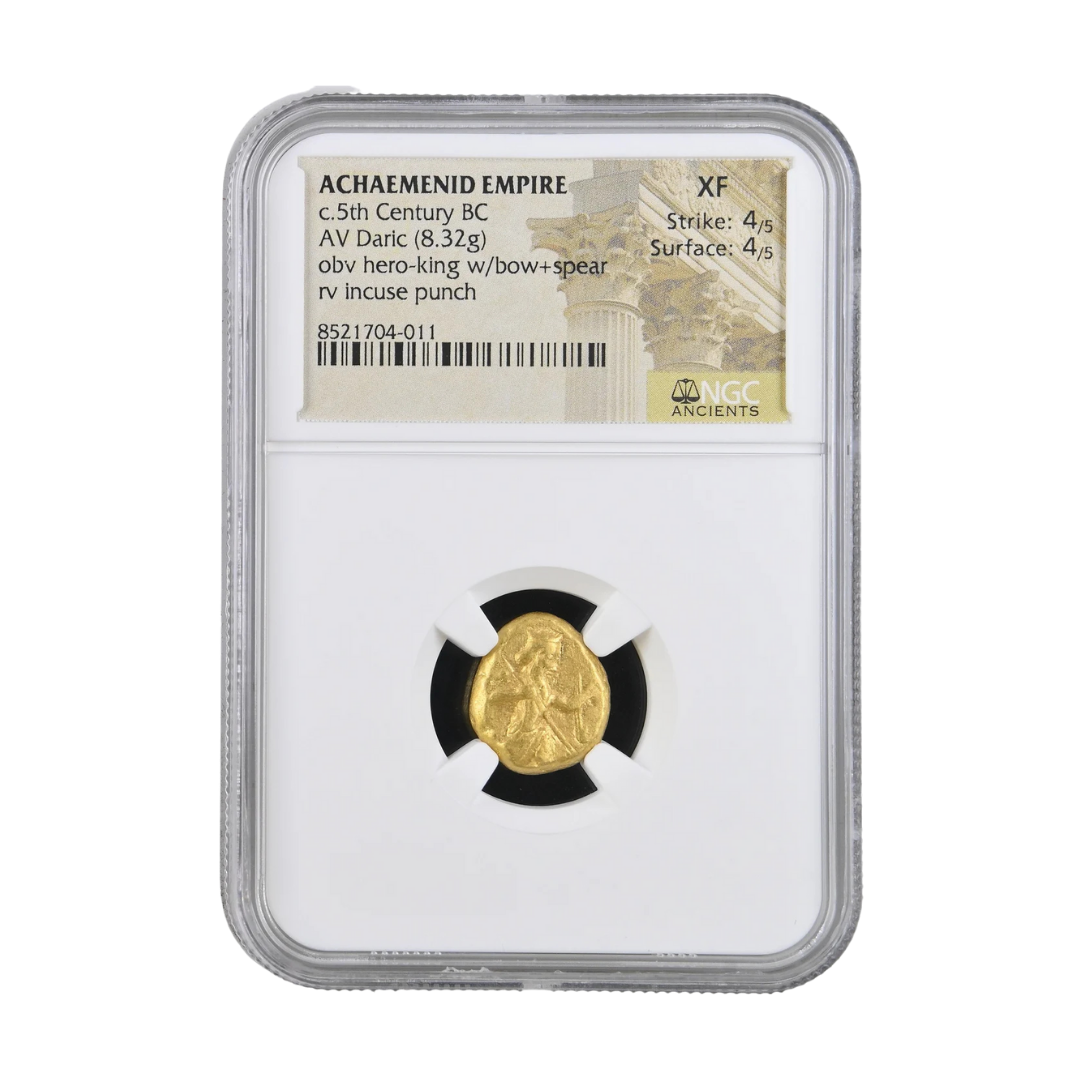
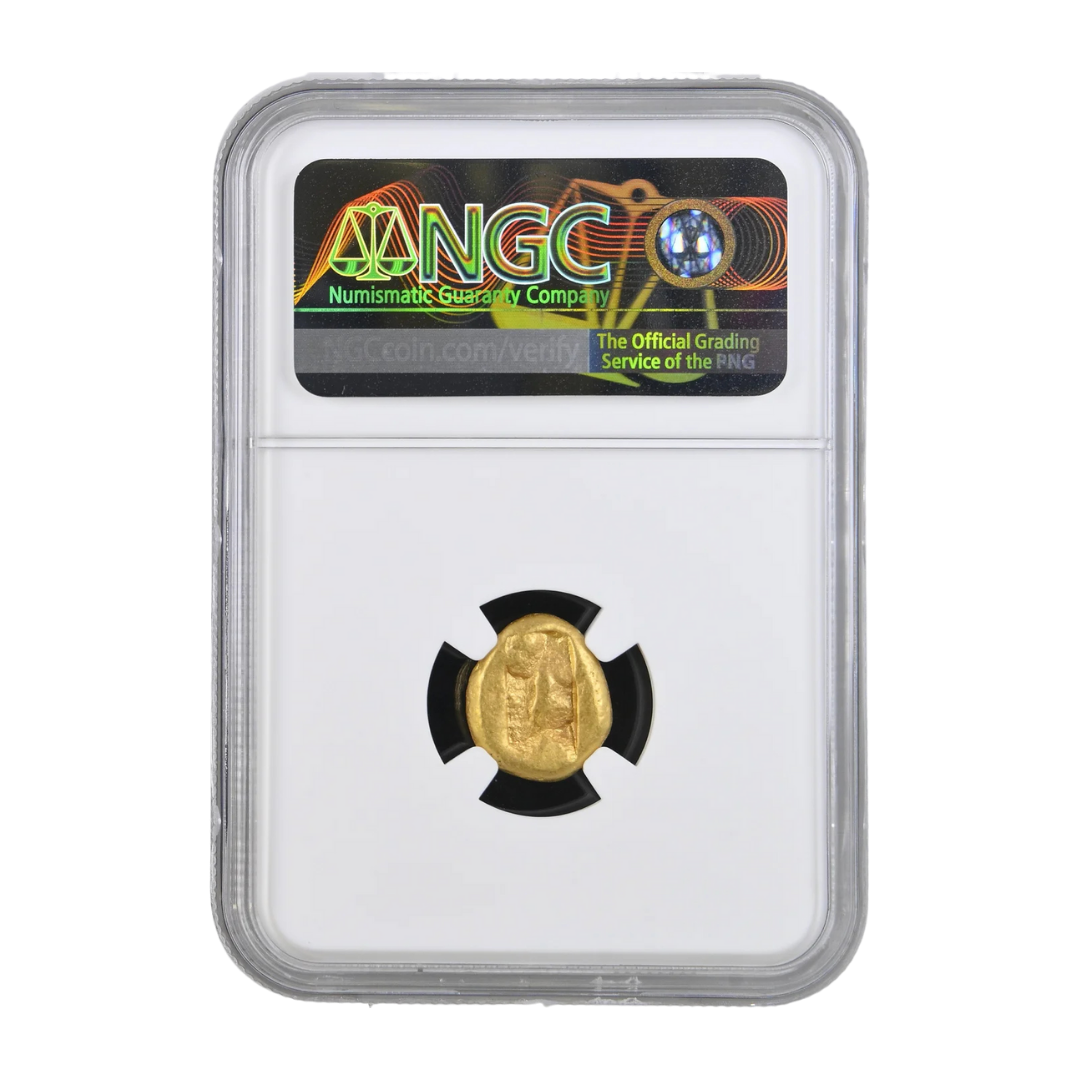
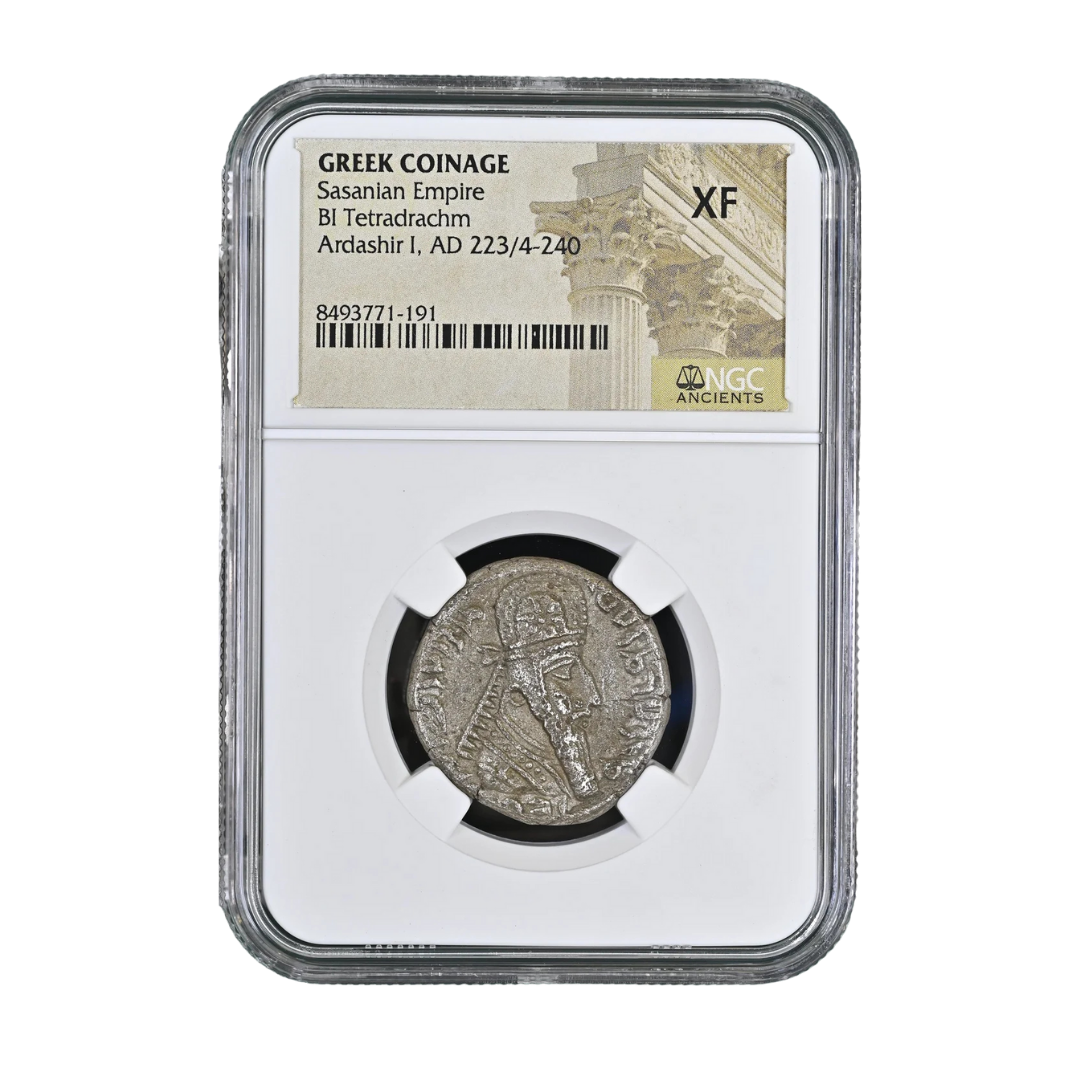
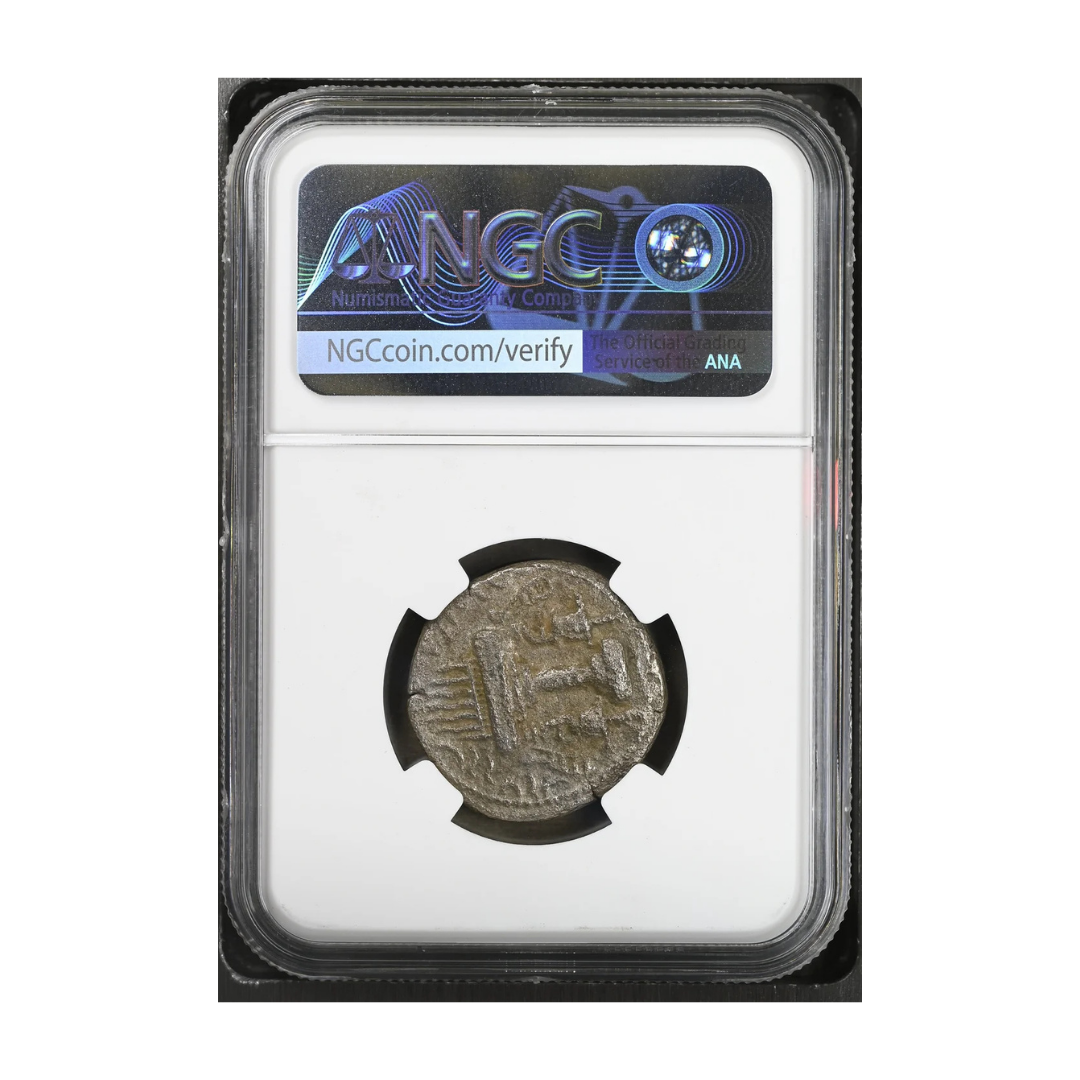
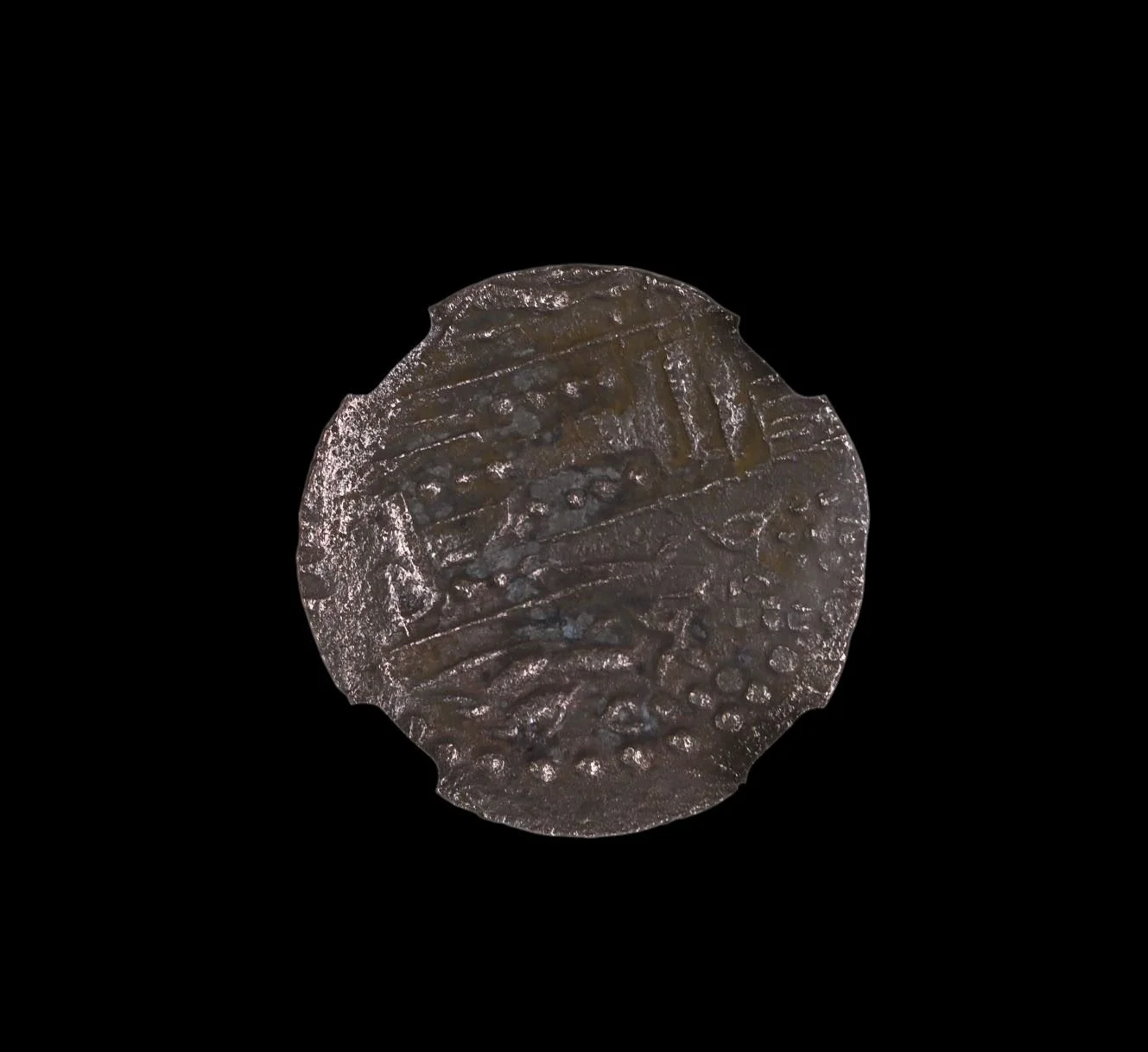
• Obverse: Crowned bust right — elaborate crown + pearl diadem, royal beard
• Reverse: Fire altar w/ attendants — Zoroastrian state religion + Pahlavi script
Technical Specifications
• Material: Silver (AR)
• Denomination: Drachm (Sasanian standard)
• Certification: NGC slabbed
• Ruler: Shapur II (the Great)
• Period: AD 309-379 (70-year reign)
• Mints: Across Persian Empire
Rome's Persian Nemesis Essential
• Crowned in utero after father's death
• Captured Emperor Valerian (Shapur I's son)
• Defeated Constantius II + Julian the Apostate
• Expanded to greatest Sasanian extent
Collector Masterpiece
Longest reigning monarch's silver. Fire altar that burned through three Roman emperors.
Note: Coins shown are representative examples of grade/type, not actual specimens. For details on NGC's grading standards and definitions, please refer to our NGC Grading page.
Shapur II Sasanian Silver Drachm (AD 309-379) — Longest Reigning Persian King
NGC certified silver drachm of Shapur II — ruled 70 years from womb to grave, crushed 3 Roman emperors during Sasanian golden age.
Zoroastrian Imperial Design
• Obverse: Crowned bust right — elaborate crown + pearl diadem, royal beard
• Reverse: Fire altar w/ attendants — Zoroastrian state religion + Pahlavi script
Technical Specifications
• Material: Silver (AR)
• Denomination: Drachm (Sasanian standard)
• Certification: NGC slabbed
• Ruler: Shapur II (the Great)
• Period: AD 309-379 (70-year reign)
• Mints: Across Persian Empire
Rome's Persian Nemesis Essential
• Crowned in utero after father's death
• Captured Emperor Valerian (Shapur I's son)
• Defeated Constantius II + Julian the Apostate
• Expanded to greatest Sasanian extent
Collector Masterpiece
Longest reigning monarch's silver. Fire altar that burned through three Roman emperors.
Note: Coins shown are representative examples of grade/type, not actual specimens. For details on NGC's grading standards and definitions, please refer to our NGC Grading page.


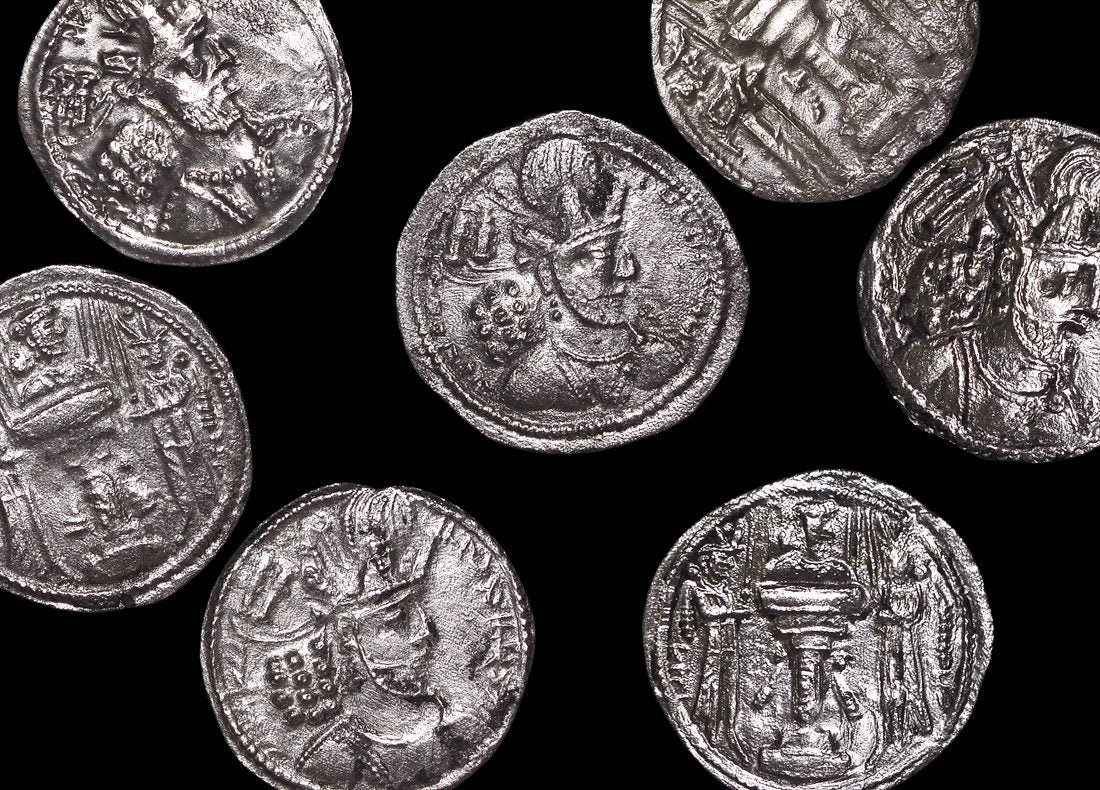 Image 1 of 1