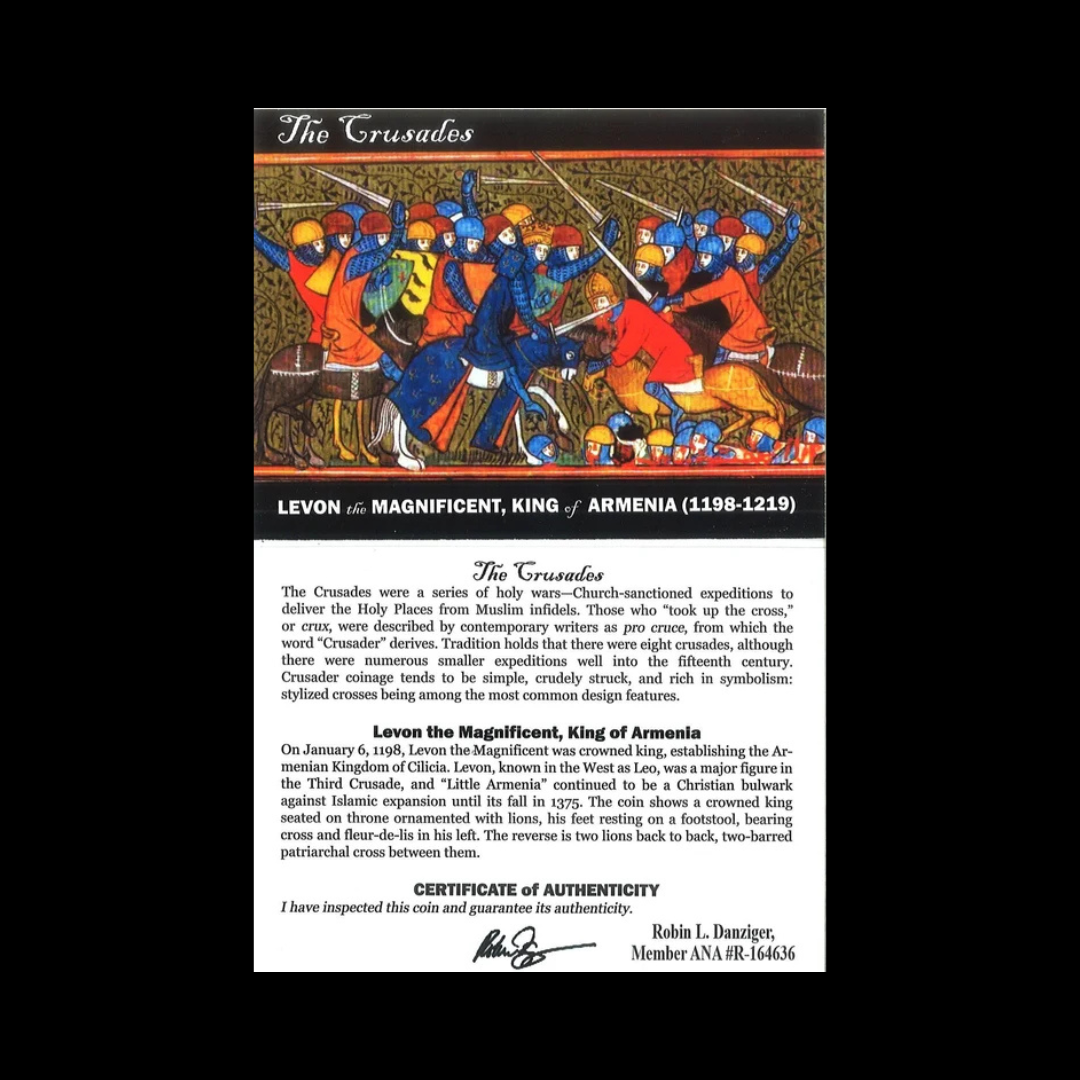
The Crusades were a series of Church-sanctioned holy wars launched to reclaim the sacred sites of the Near East. Those who “took up the cross,” pro cruce, became known as Crusaders—warriors whose faith, ambition, and violence reshaped the medieval world.
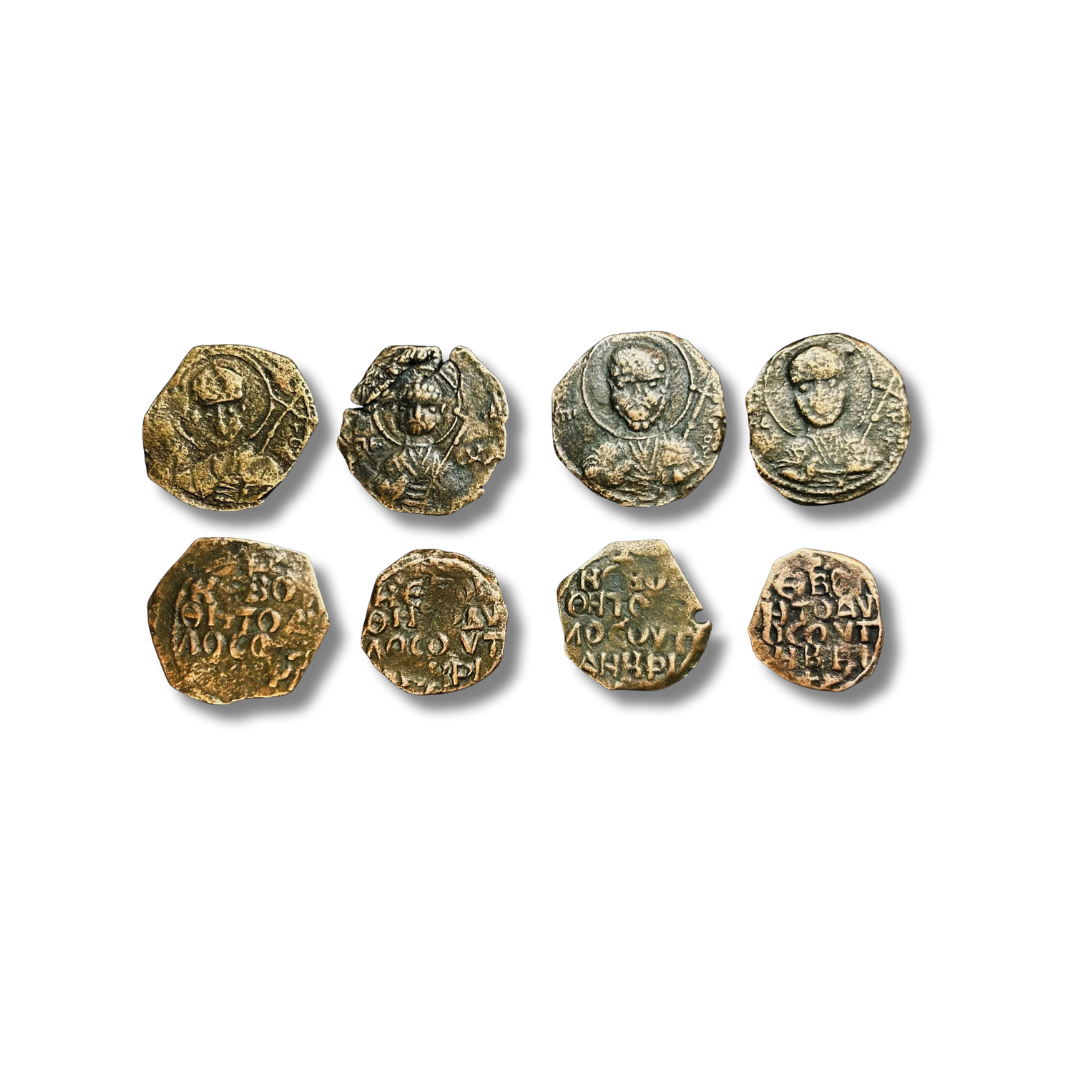
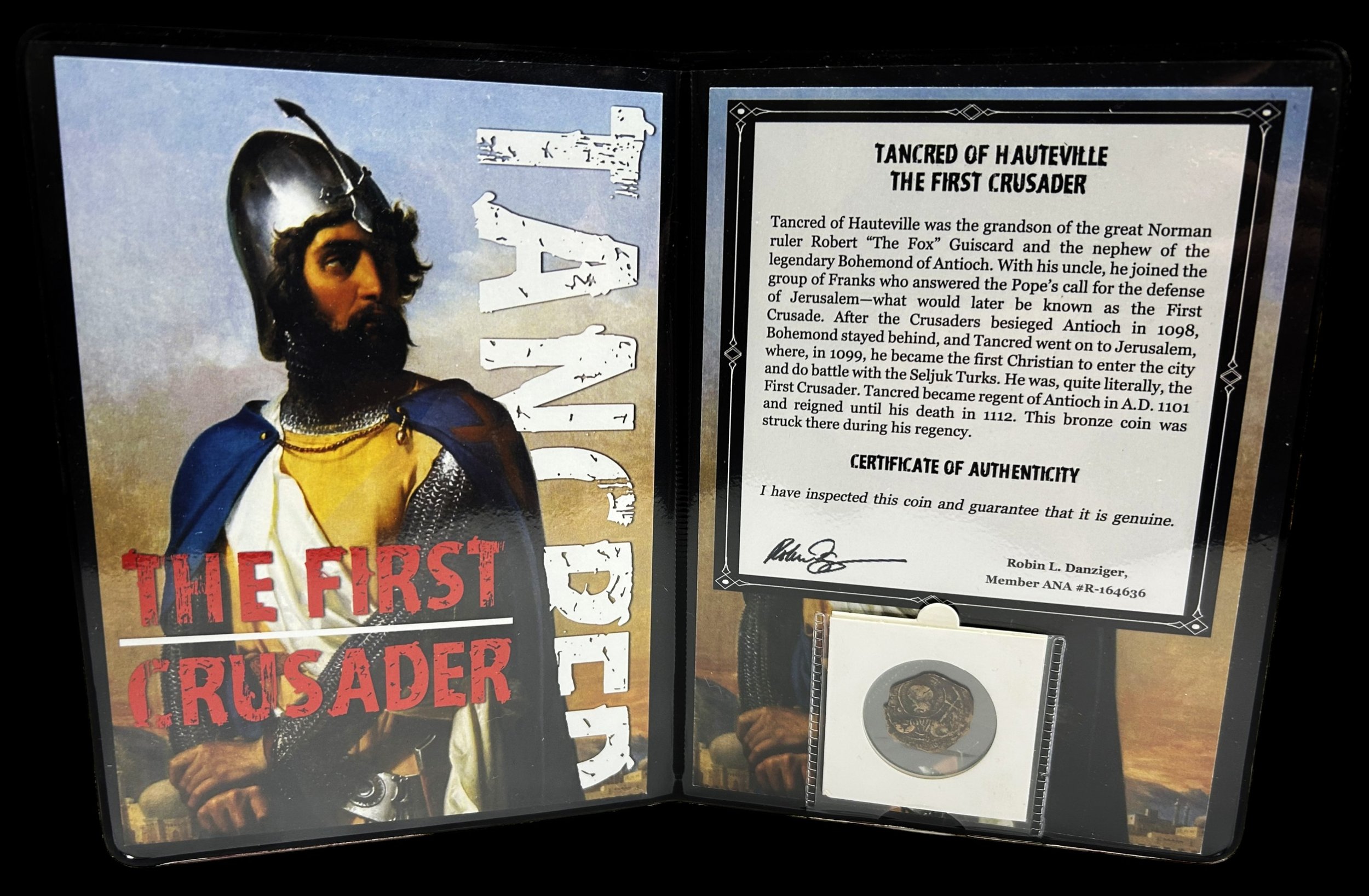
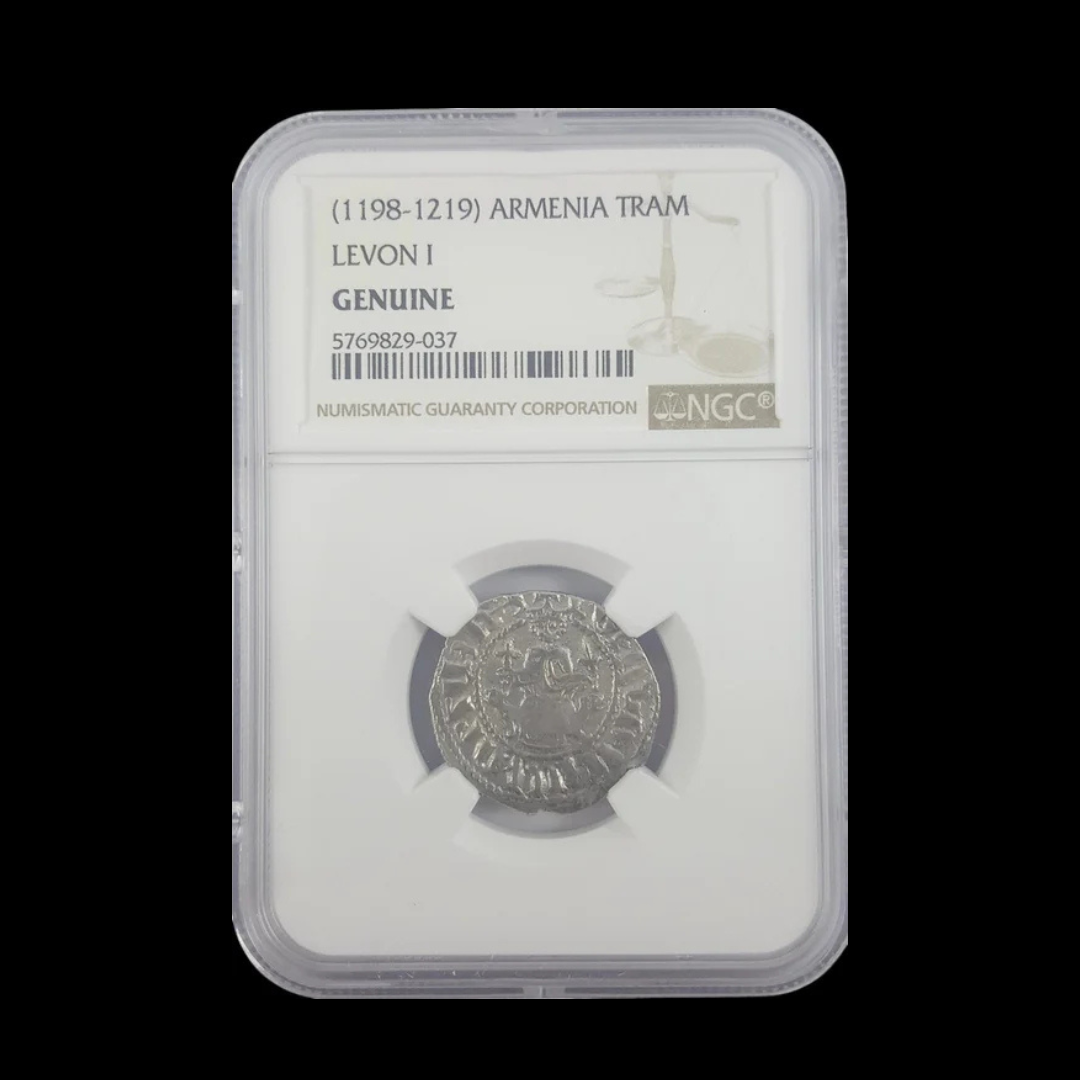
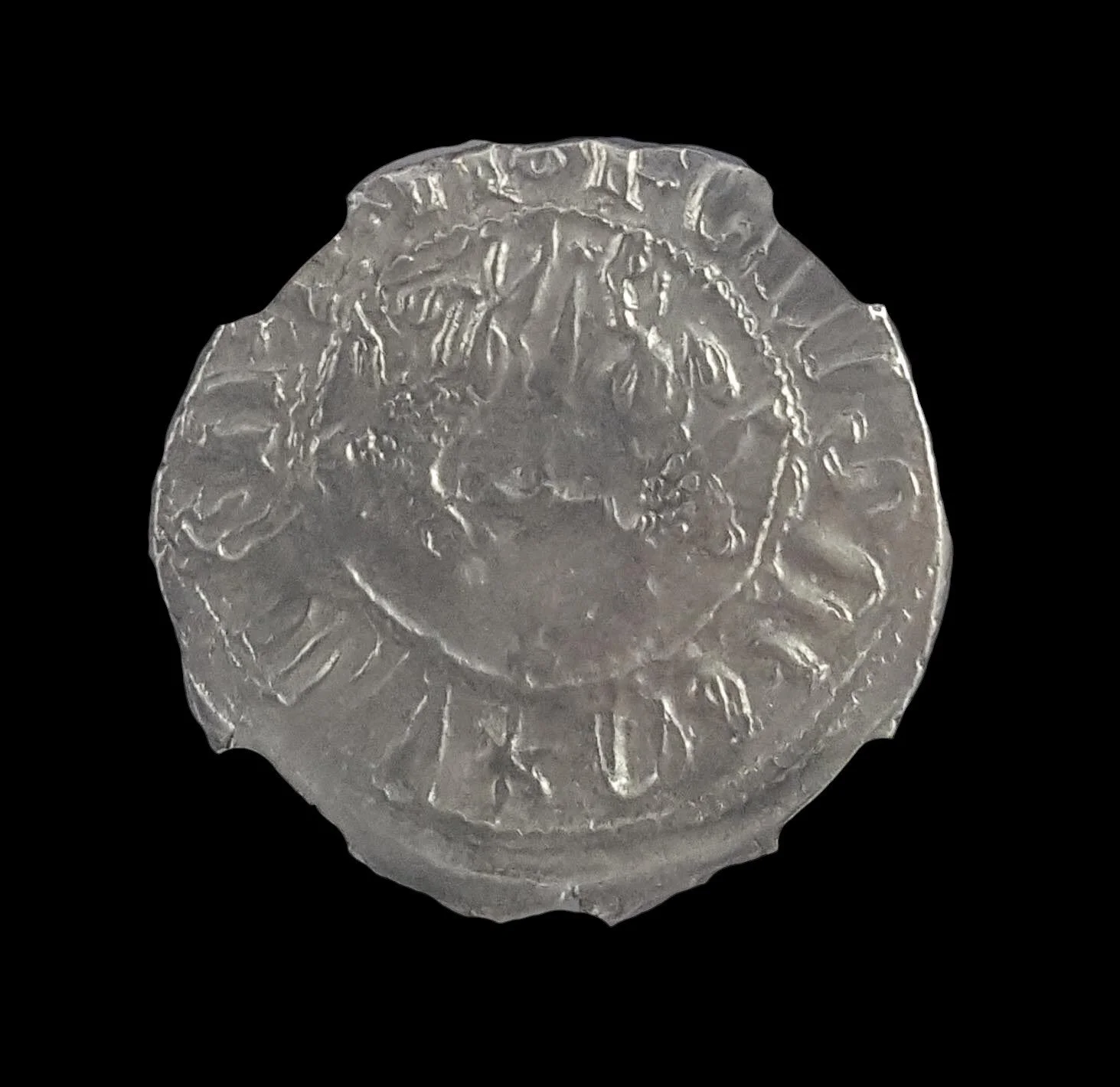
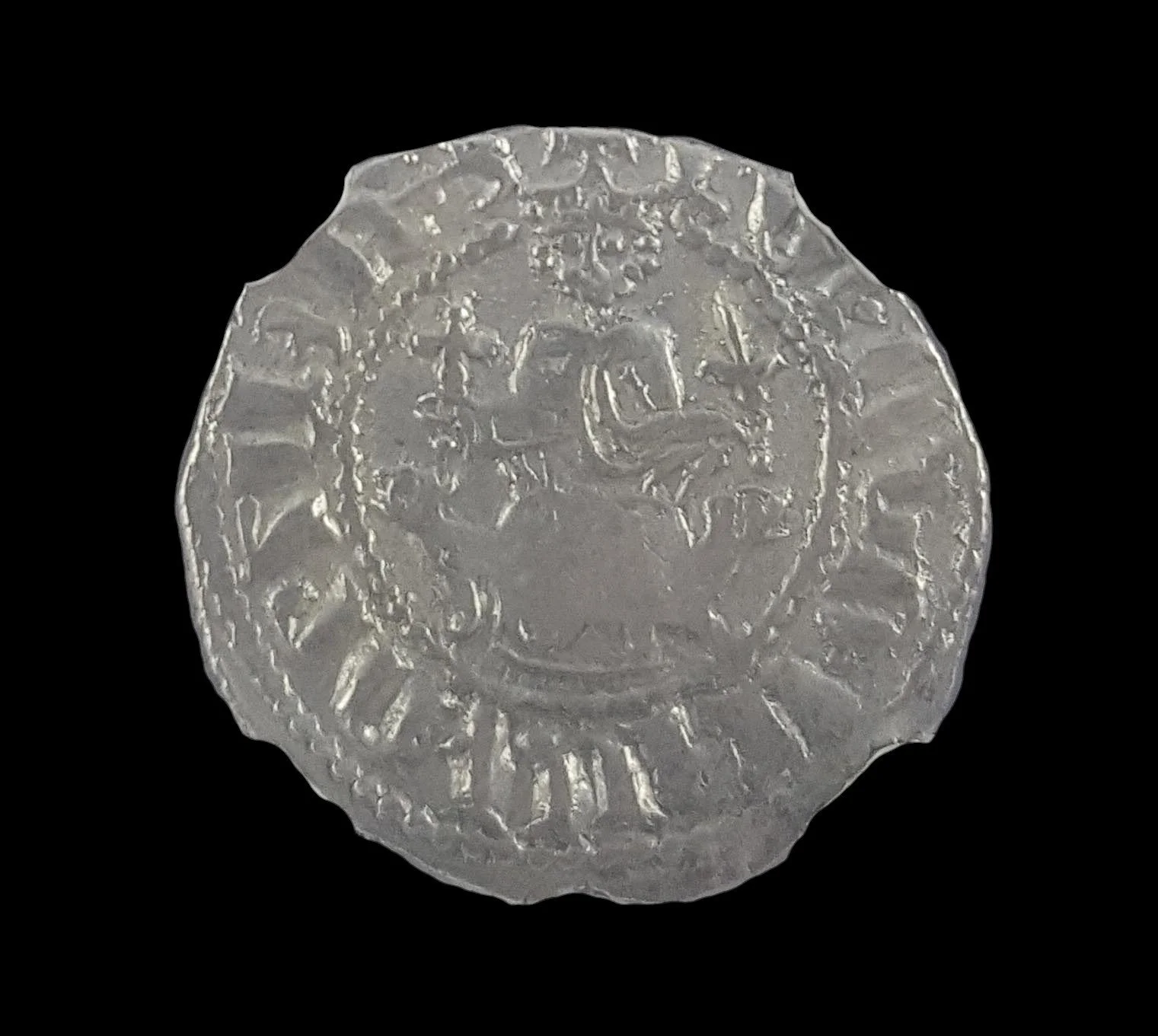
This silver denier was struck in the Principality of Antioch under Bohemond III (1149–1163), descendant of Bohemond of Taranto, the Norman leader who seized Antioch in 1098 during the First Crusade. The capture of the city was one of the defining moments of the crusading movement, securing a strategic stronghold at the crossroads of East and West.
The obverse bears the croix pattée—the footed cross—an unmistakable symbol of crusader identity, faith, and authority. This was not merely currency, but a declaration of belief struck in silver and carried through a land defined by siege, pilgrimage, and war.
A tangible artifact from the front lines of medieval Christendom.
The Crusades were a series of Church-sanctioned holy wars launched to reclaim the sacred sites of the Near East. Those who “took up the cross,” pro cruce, became known as Crusaders—warriors whose faith, ambition, and violence reshaped the medieval world.
This silver denier was struck in the Principality of Antioch under Bohemond III (1149–1163), descendant of Bohemond of Taranto, the Norman leader who seized Antioch in 1098 during the First Crusade. The capture of the city was one of the defining moments of the crusading movement, securing a strategic stronghold at the crossroads of East and West.
The obverse bears the croix pattée—the footed cross—an unmistakable symbol of crusader identity, faith, and authority. This was not merely currency, but a declaration of belief struck in silver and carried through a land defined by siege, pilgrimage, and war.
A tangible artifact from the front lines of medieval Christendom.


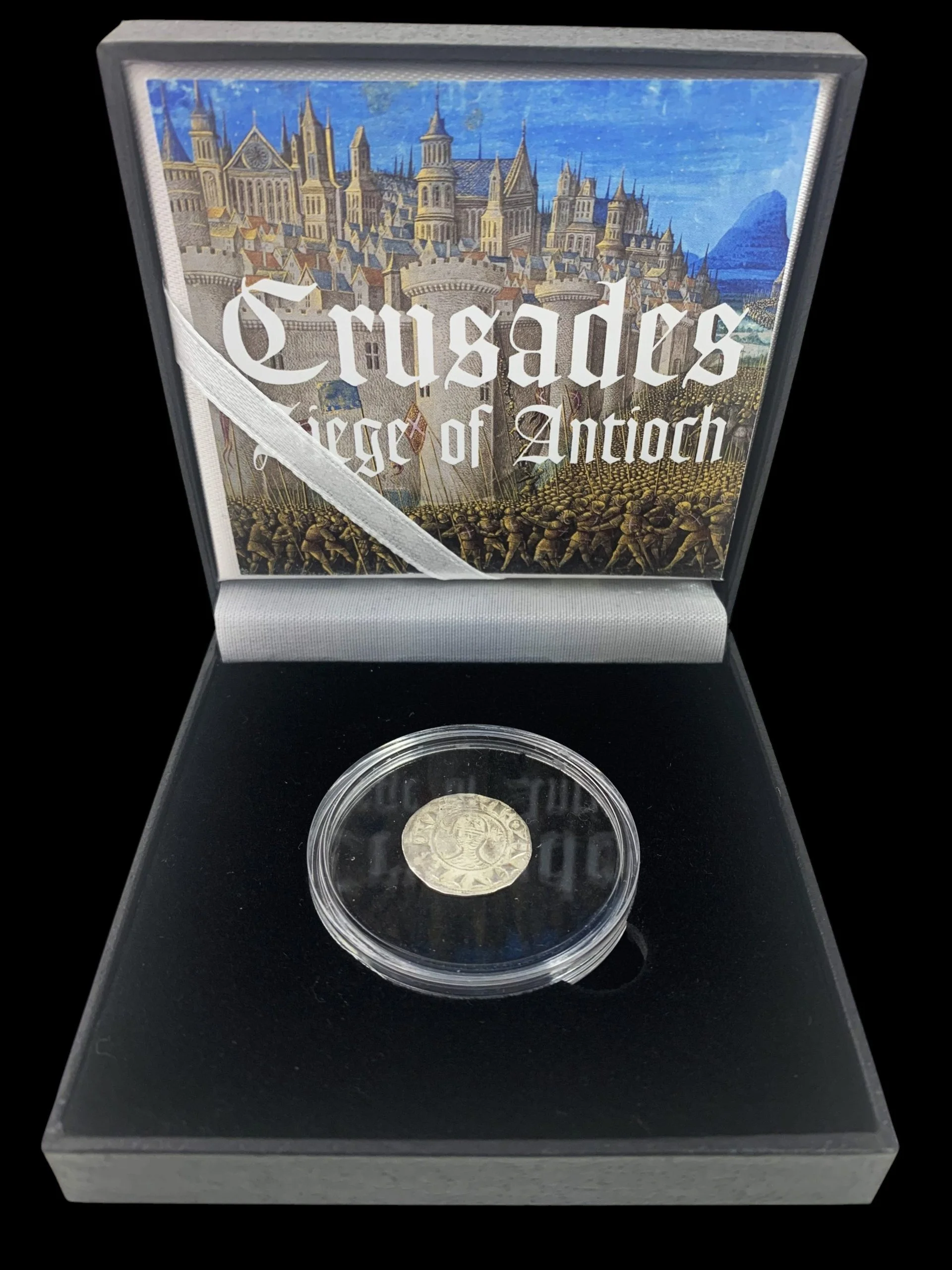 Image 1 of 2
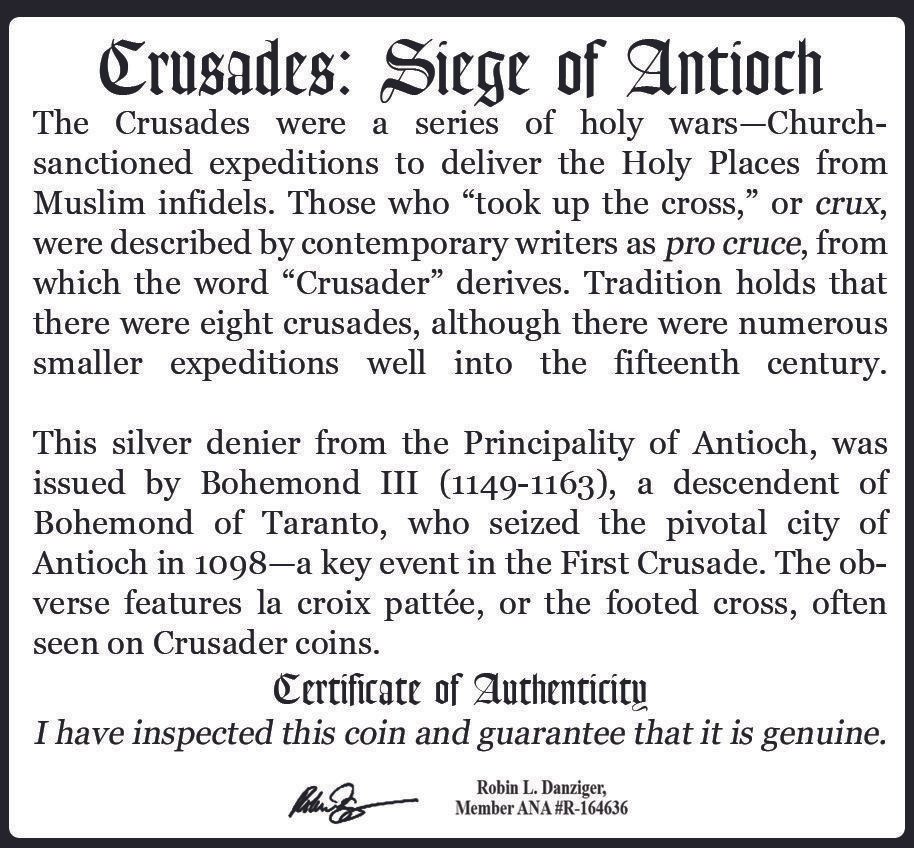 Image 2 of 2