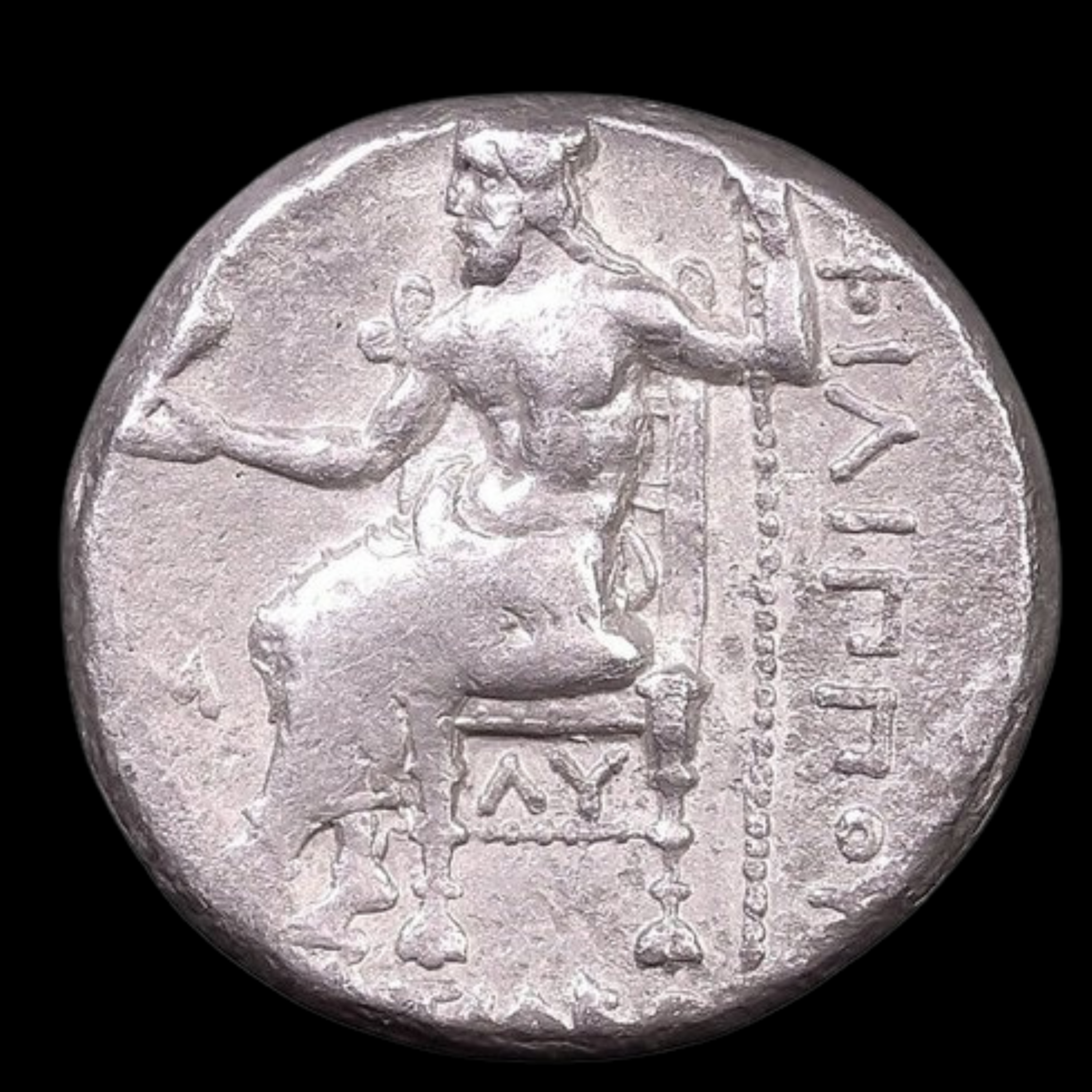
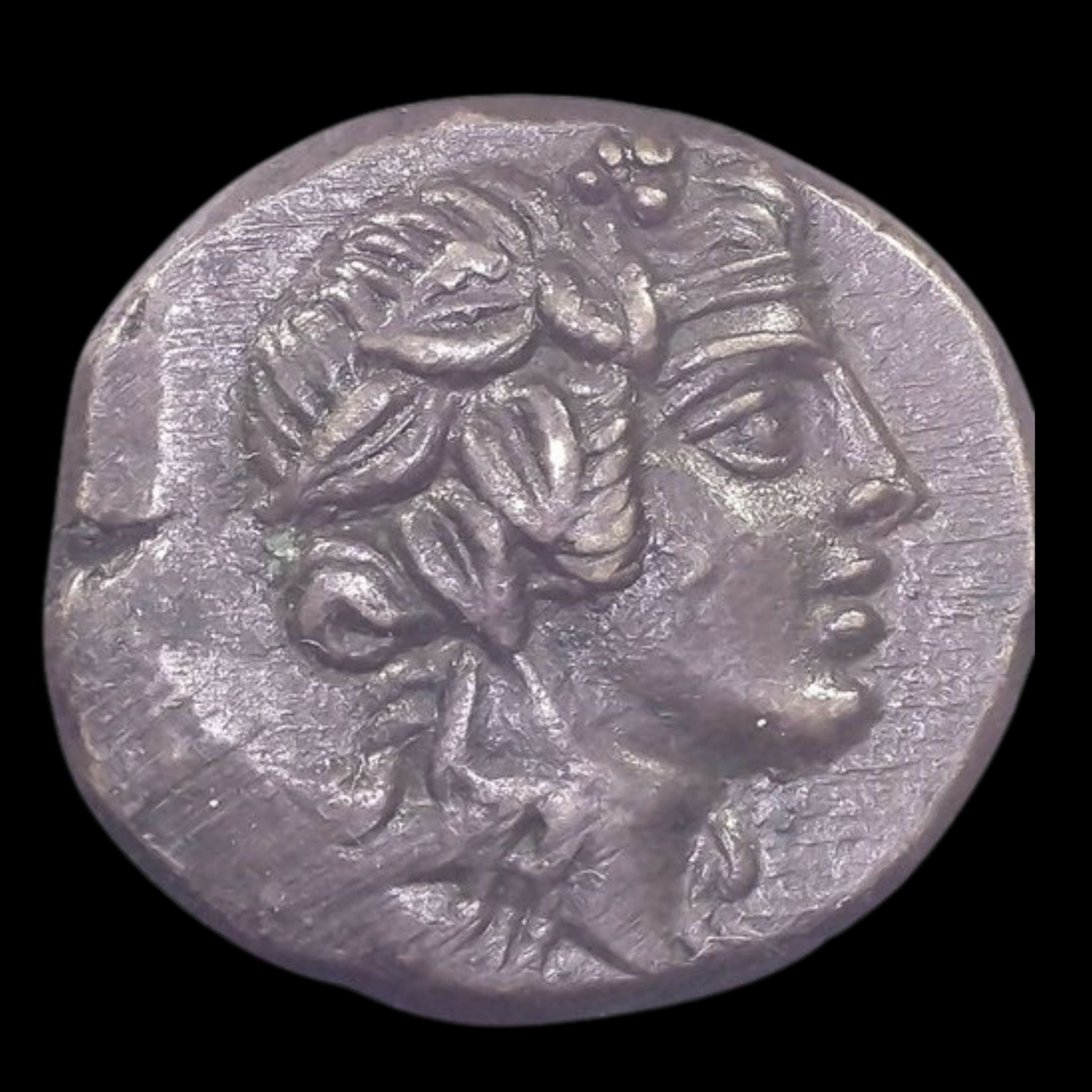
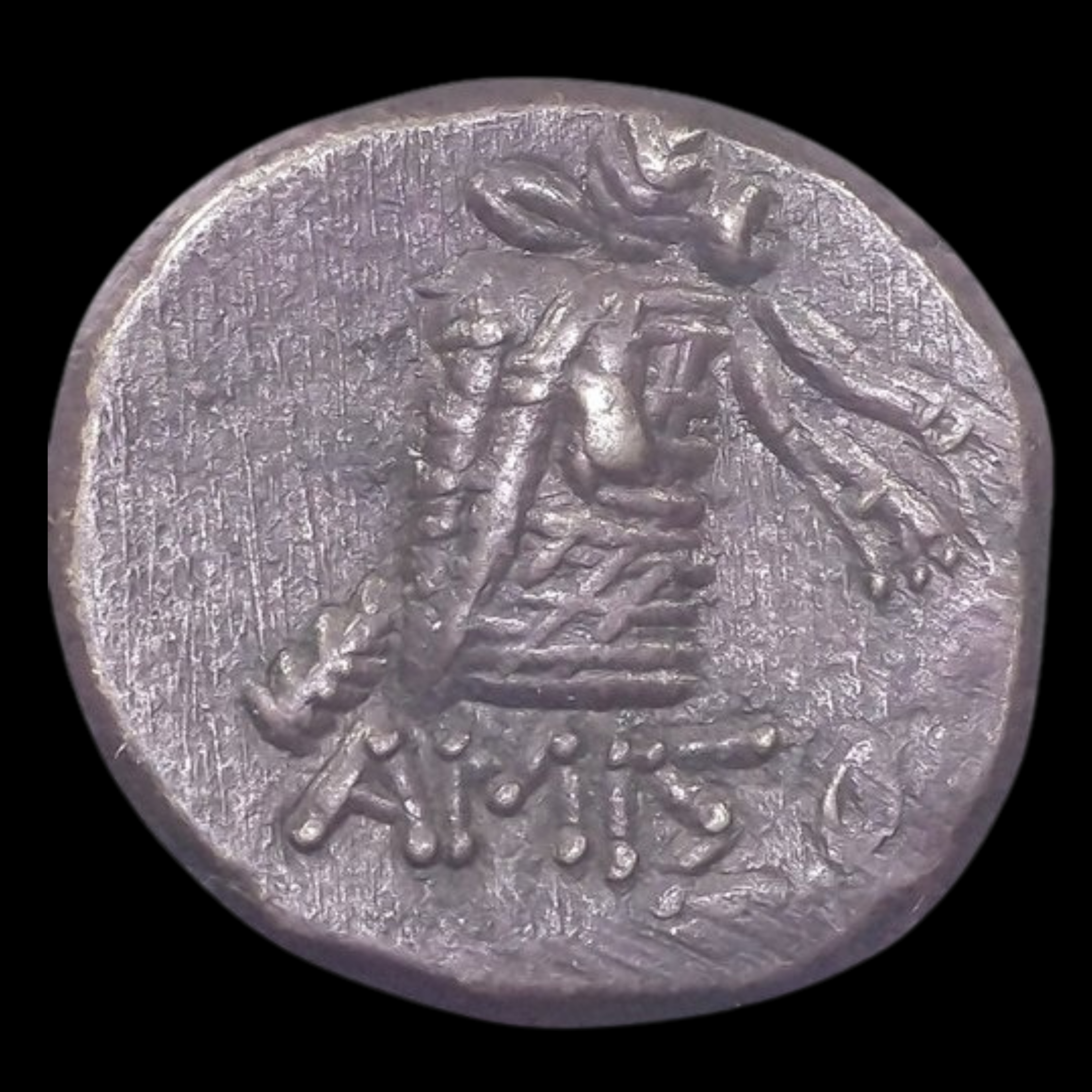
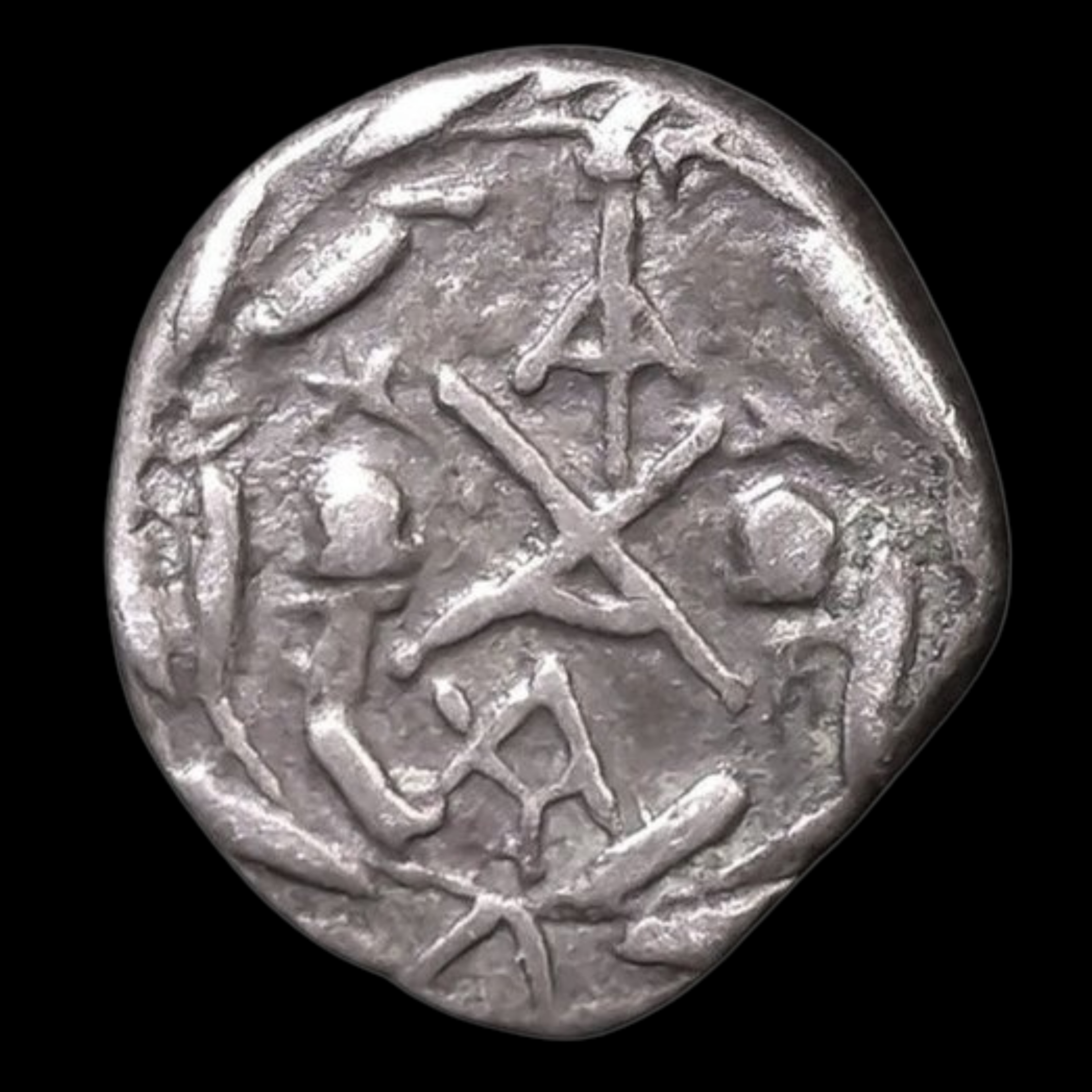
Struck at Pergamum during the early decades of Roman administration in Asia Minor, this AR Cistophorus represents one of the most distinctive and powerful silver coinages of the ancient world.
The obverse displays the Cista Mystica, a sacred ritual chest associated with Dionysian mystery cults, from which a serpent emerges—an image dense with religious symbolism, secrecy, and renewal. Encircling wreaths reinforce the coin’s ceremonial gravity. The reverse features a bow case flanked by two coiled snakes, a design rooted in Pergamene royal imagery that Rome deliberately preserved to maintain continuity and local trust after annexation.
Minted between 133 and 67 BC, these heavy silver pieces functioned as a regional standard currency, intentionally insulated from Roman denarius circulation. This allowed Rome to collect taxes, pay troops, and manage the wealthy provinces of Asia without destabilizing the local economy.
Authority: Roman Rule in Asia Minor
Region: Mysia
Mint: Pergamum
Date: c. 133–67 BC
Denomination: AR Cistophorus
Obverse: Cista Mystica within wreath
Reverse: Bow case with two serpents
Grade: Choice AU
With its exceptional strike, sharp devices, and near-uncirculated preservation, this example captures the monumental presence that made cistophori so effective as instruments of imperial control. It is both a religious object and a fiscal weapon—silver designed to rule.
An outstanding acquisition for collectors of Roman provincial coinage, Hellenistic-to-Roman transition issues, or symbol-rich silver with commanding eye appeal and historical depth.
Struck at Pergamum during the early decades of Roman administration in Asia Minor, this AR Cistophorus represents one of the most distinctive and powerful silver coinages of the ancient world.
The obverse displays the Cista Mystica, a sacred ritual chest associated with Dionysian mystery cults, from which a serpent emerges—an image dense with religious symbolism, secrecy, and renewal. Encircling wreaths reinforce the coin’s ceremonial gravity. The reverse features a bow case flanked by two coiled snakes, a design rooted in Pergamene royal imagery that Rome deliberately preserved to maintain continuity and local trust after annexation.
Minted between 133 and 67 BC, these heavy silver pieces functioned as a regional standard currency, intentionally insulated from Roman denarius circulation. This allowed Rome to collect taxes, pay troops, and manage the wealthy provinces of Asia without destabilizing the local economy.
Authority: Roman Rule in Asia Minor
Region: Mysia
Mint: Pergamum
Date: c. 133–67 BC
Denomination: AR Cistophorus
Obverse: Cista Mystica within wreath
Reverse: Bow case with two serpents
Grade: Choice AU
With its exceptional strike, sharp devices, and near-uncirculated preservation, this example captures the monumental presence that made cistophori so effective as instruments of imperial control. It is both a religious object and a fiscal weapon—silver designed to rule.
An outstanding acquisition for collectors of Roman provincial coinage, Hellenistic-to-Roman transition issues, or symbol-rich silver with commanding eye appeal and historical depth.


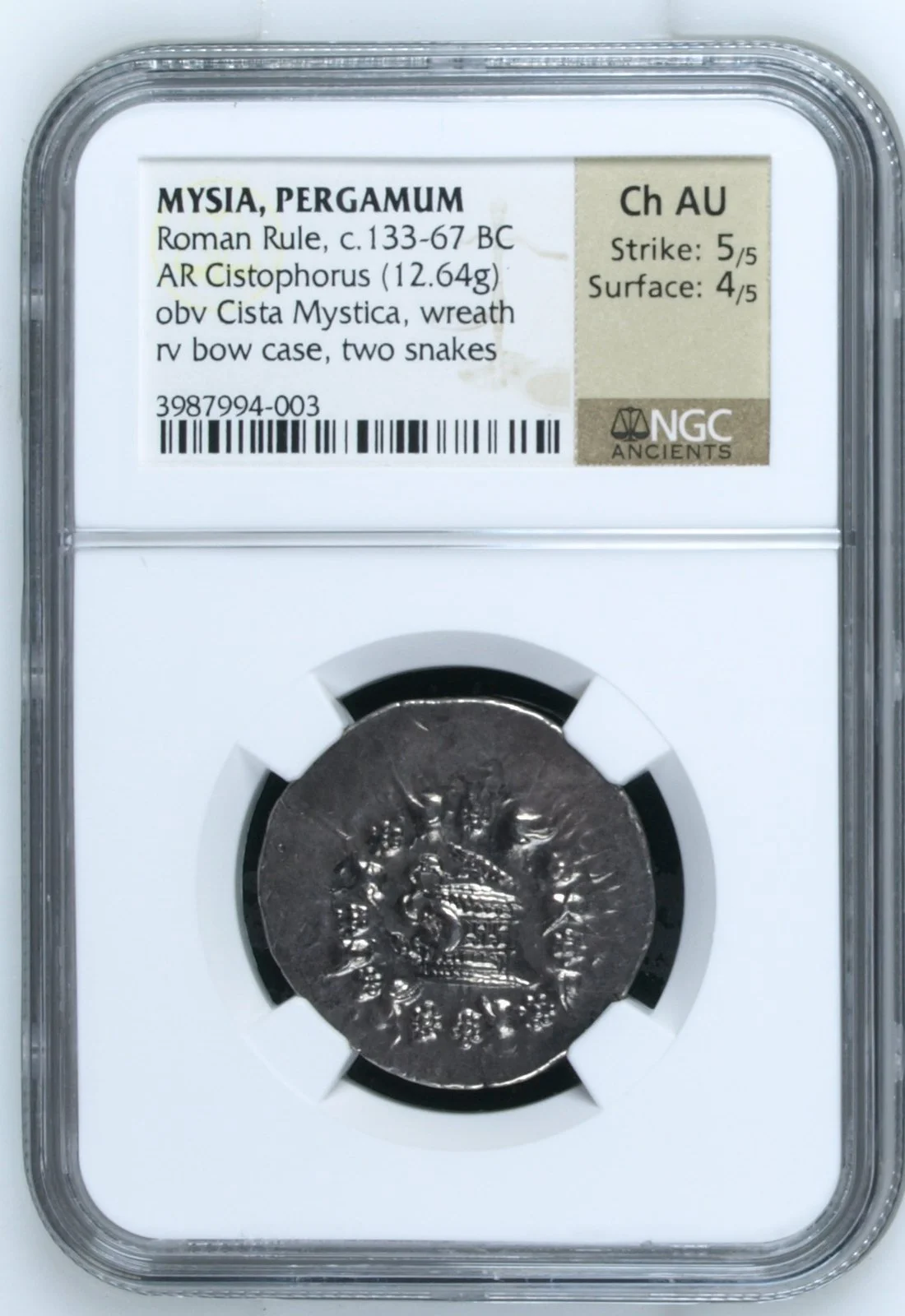 Image 1 of 2
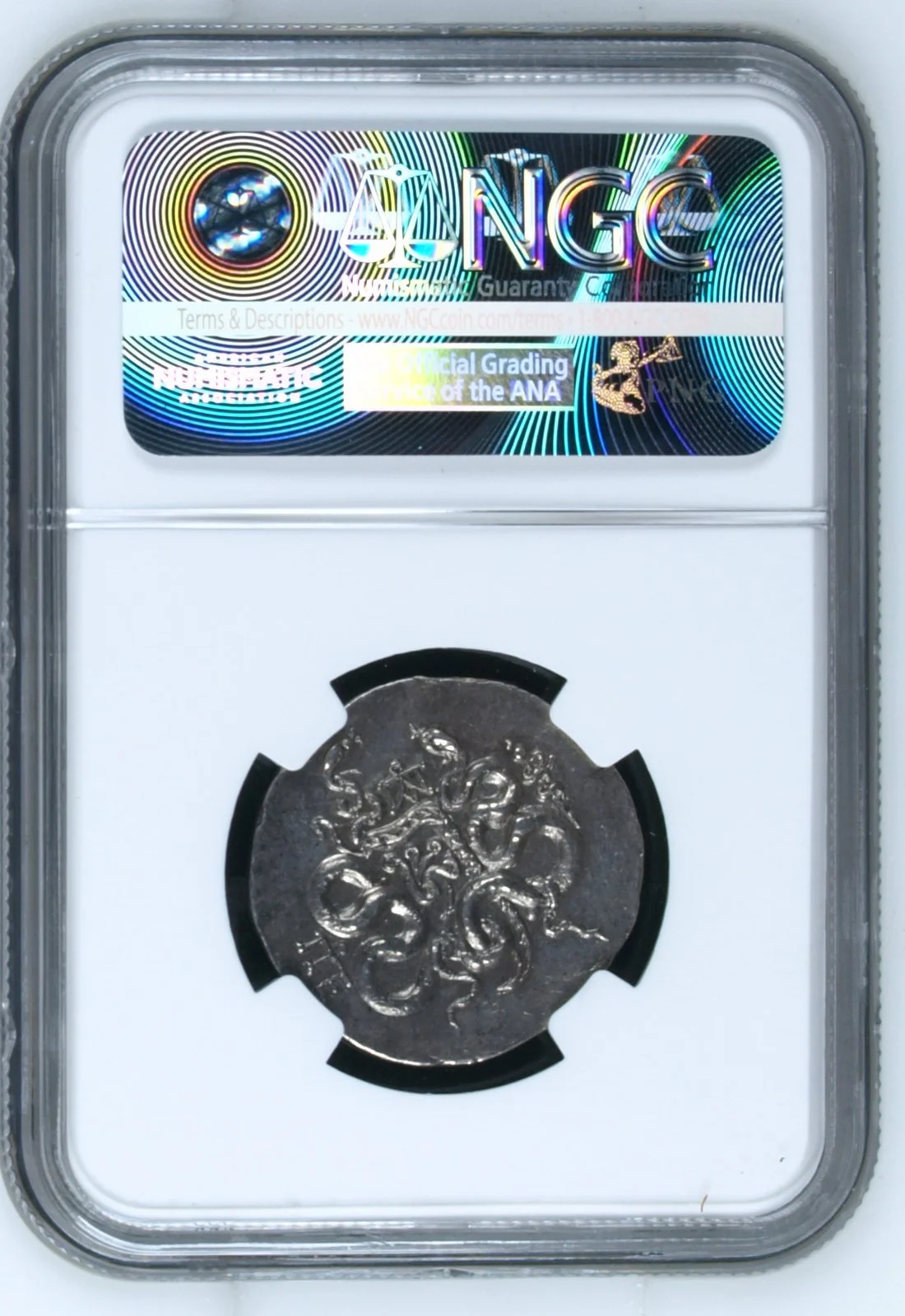 Image 2 of 2